What Indoor Growing Changes About Flower
Indoor growing replaces the seasons with a schedule. Here is what that control changes in the finished flower, and how to read it on the shelf.
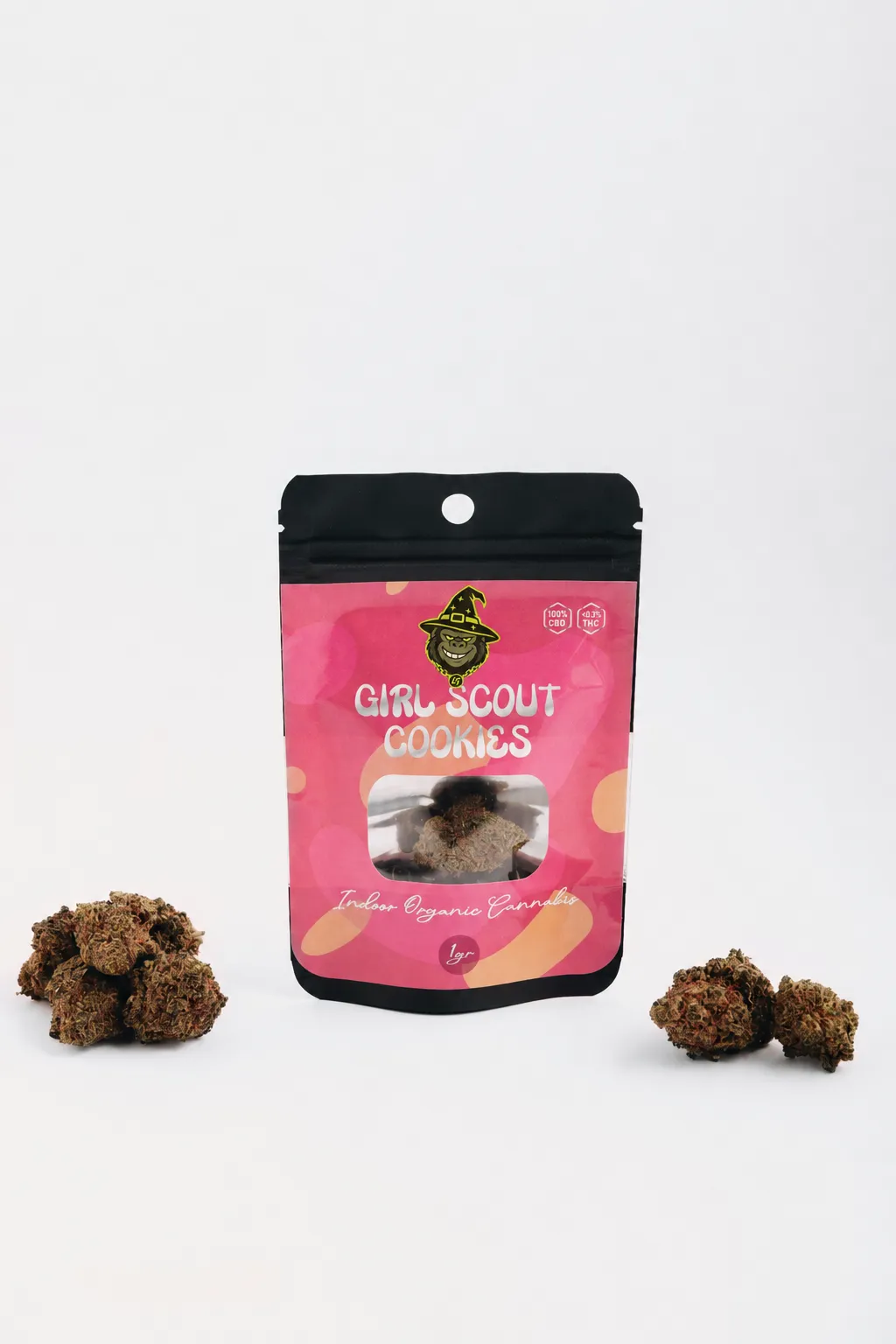
Indoor growing means the plant never sees the sun: light, humidity, temperature and airflow are all set by the grower rather than the weather. That control is the whole point, and it shows up in the finished flower as density, aroma and consistency between batches.
Light becomes a schedule instead of a season
Outdoors, a plant flowers when the days shorten. Indoors that trigger is a timer. Growers hold a long-day cycle while the plant builds structure, then switch to an even split of light and dark to bring it into flower. Because the schedule never drifts, every run hits the same stage at the same point, which is why indoor batches resemble each other far more closely than outdoor ones.
Humidity and temperature are the real levers
Aroma compounds are volatile: they evaporate. Heat drives them off, and so does aggressive drying. Indoor rooms are held cool and steady, with humidity dropped gradually as the plant matures, so the terpenes that carry lemon, pine or pepper stay in the flower instead of escaping into the room. Steady airflow matters just as much, because still, damp air between dense buds invites mould.
Feeding and substrate
Indoors the grower supplies everything the soil would have. Feeding is measured rather than guessed, and it is tapered off towards the end so the plant finishes clean. Over-fed flower announces itself later as a harsh, mineral edge.
Harvest timing decides the character
The window is short. Harvested early, flower reads brighter and sharper; left longer, it turns heavier and more resinous. There is no correct answer, only a chosen one, and that choice is a bigger driver of the final character than most people expect.
Then it slows down again
Cutting is not finishing. Flower is dried slowly in the dark, then cured in sealed containers that are opened periodically to release moisture. Rushing this stage undoes a lot of careful growing. We have written that part up separately in our guide to storing flower.
How to read it on the shelf
- Density – indoor buds are typically tighter and better formed
- Trim – hand-trimmed flower keeps its shape and its trichome coat
- Consistency – one indoor batch should look much like the last
- Aroma – a clear, specific nose rather than a vague green smell
Our indoor-grown selections are marked on the product page. Girl Scout Cookies and Amnesia are both grown this way, and you can see the rest of the range under Flowers.
Cultivation is regulated and the rules differ by country. This article describes how commercial growing works; it is not an instruction to grow anything yourself. Check the law where you live.
MORE FROM THE GORILLA GANG
 GUIDES
30 JUL 2026
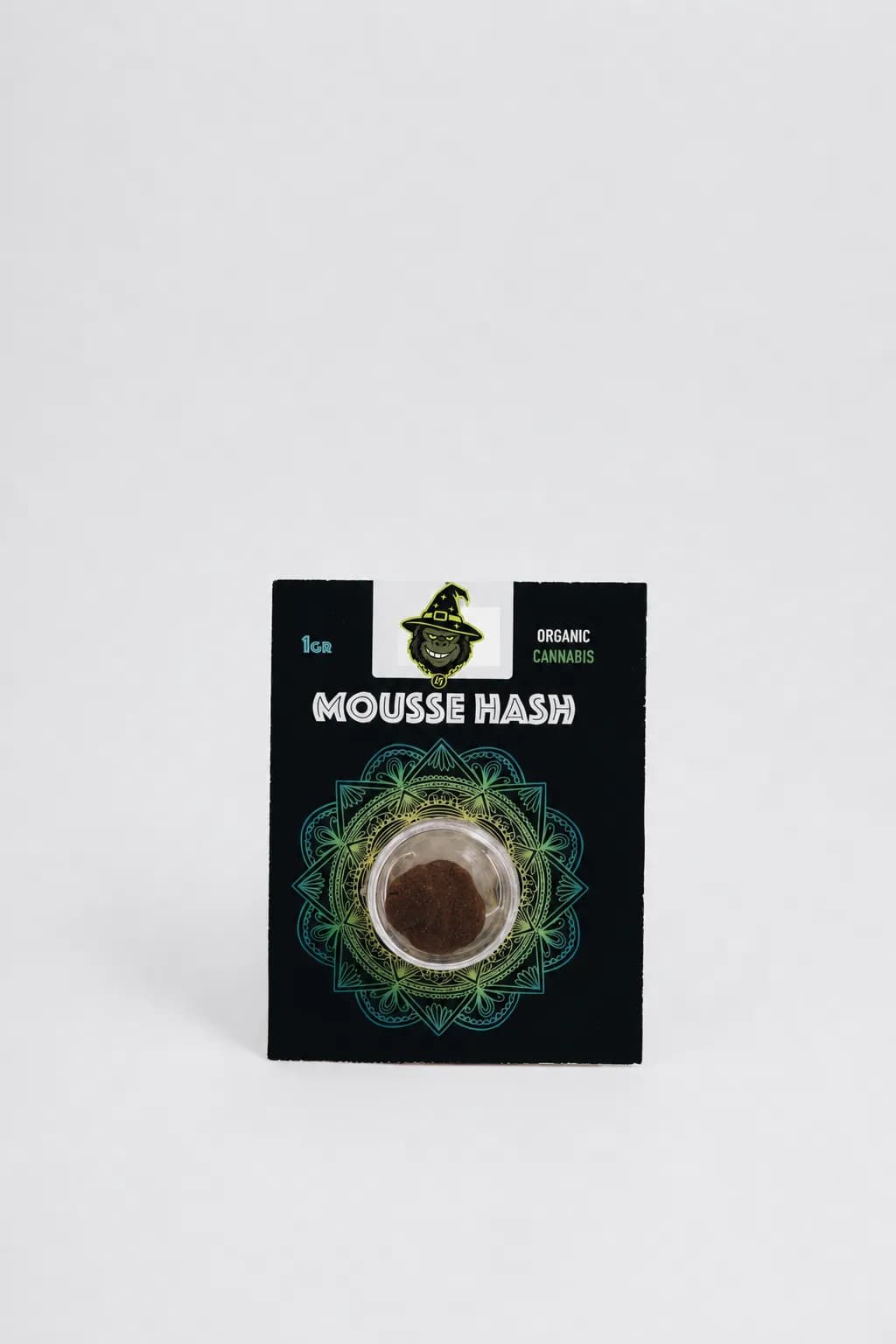
Hash Textures Explained: Mousse vs Pressed
Hash is graded by how it behaves in your hand. What makes one batch soft and aerated and another firm and glossy, and how to judge either.
 GUIDES
30 JUL 2026
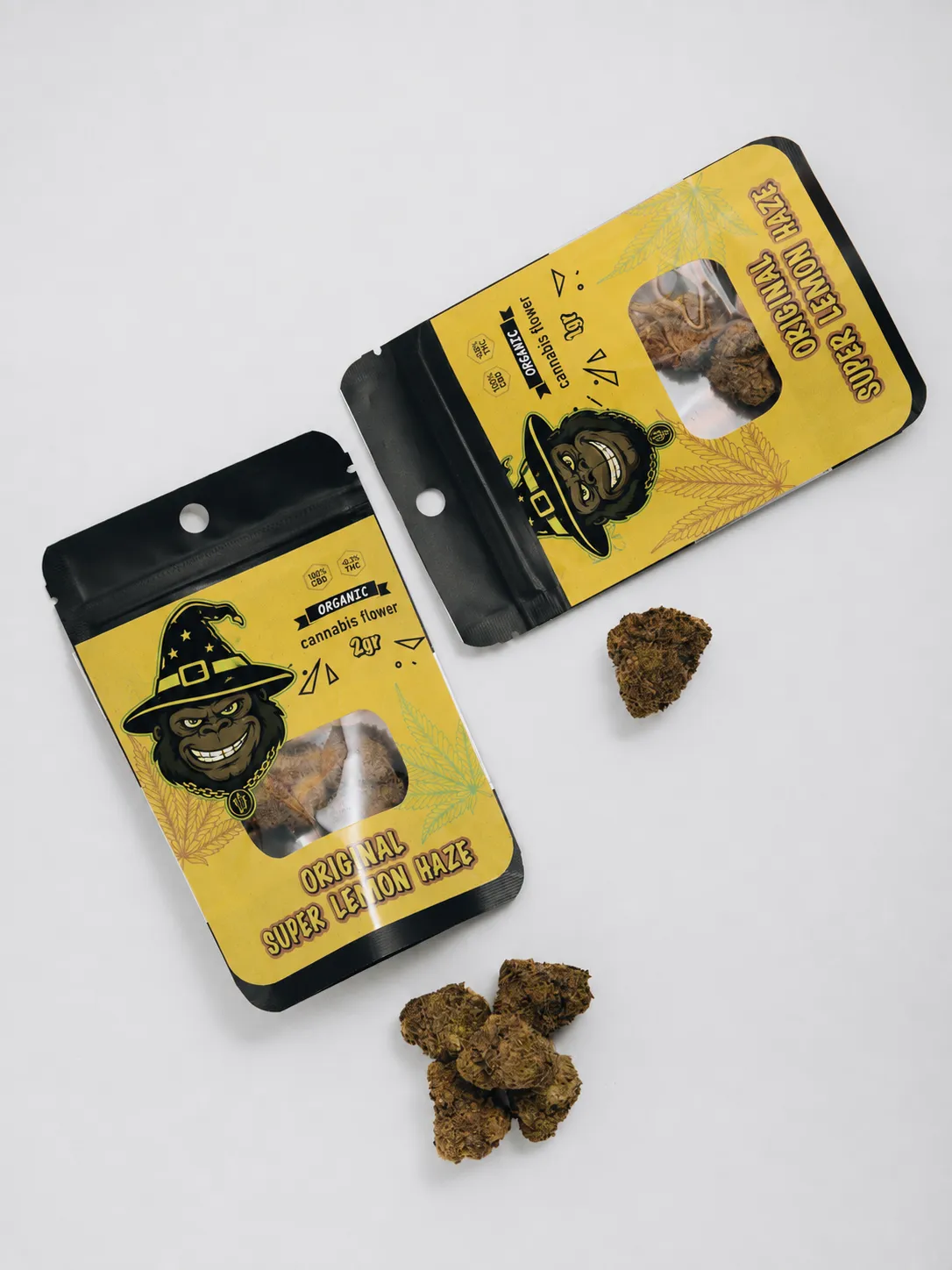
How to Store Flower So It Keeps Its Aroma
Aroma is the first thing to go and the easiest to protect. The humidity window, the right container, and the three things that ruin flower fastest.
 GUIDES
30 JUL 2026
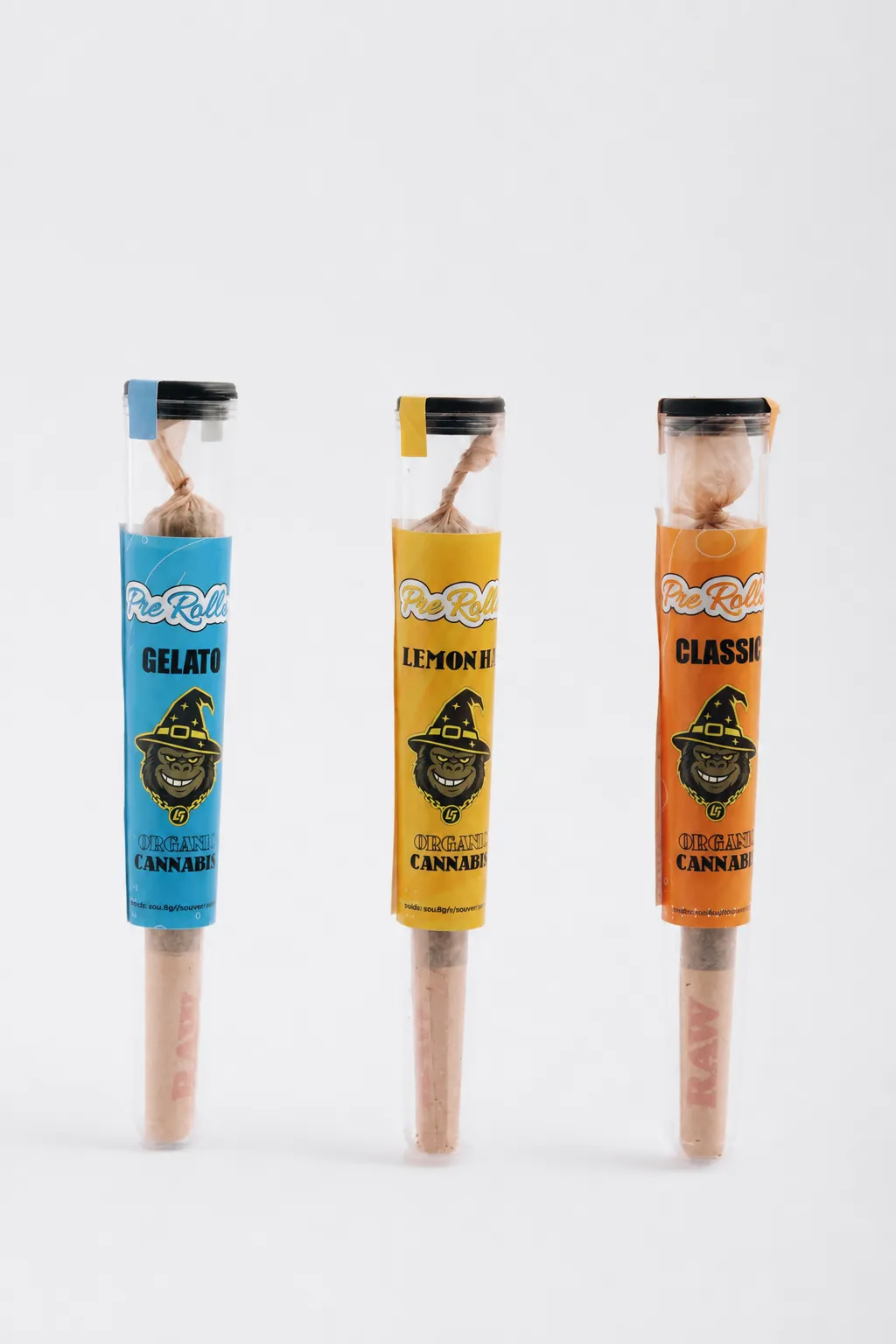
Why Pre-Rolls Are Worth It
A pre-roll is a finished unit: filled, packed and closed by hand. Here is what that buys you over rolling your own.